All Categories
Featured

Is Offshore Growth the Optimal Move for 2026?
Table of Contents
A helpful metric here is the ratio of customer acquisition cost to lifetime value, which should exceed 3:1 for a healthy growth model. Net earnings retention above 100% implies your existing base is growing without including a single brand-new customer.
A business growing through acquisition requires various metrics than one growing through expansion of existing accounts. Conflating the 2 result in misallocated spending plans and misleading control panels. The distinction in between KPIs and OKRs matters here. KPIs measure the ongoing health of your service, things like churn rate, gross margin, and conversion rate.
KPIs tell you if the engine is running. OKRs inform you if you are building a better engine. Compose your leading 3 development goals on a single page together with the specific driver each goal targets. If you can not link a goal to a chauffeur, the objective is a dream, not a technique.
Harvard Company School utilizes the "value stick" concept to determine the space in between a consumer's willingness to pay and the cost to serve them. Expanding that space is the core reasoning of every sound growth strategy. You can broaden it by raising determination to pay through much better product quality or brand name strength, or by reducing cost through functional performance.
How to Coordinate Remote Talent for GrowthTrying to pursue both simultaneously without appropriate resources is not. The 4 tactical choices that underlie most reliable growth strategies are: Which client segments, locations, or channels will you focus on? Saying yes to one market means saying no to another. What offers your company a defensible benefit because market? Rate, speed, quality, and network impacts are the most typical responses.
Strategic Cost Reduction for Global Management in 2026
Inorganic development through partnerships or acquisitions moves quicker but presents integration danger."Write one sentence that connects how your client's life enhances to the specific lever that scales that improvement. Harvard Business School specialist insightThe most common failure in strategic growth preparation is detaching the worth reasoning from the growth lever.
Verifying assumptions before budgeting is the discipline that separates high-performing growth teams from those that invest confidently and discover gradually. Translating a growth method into day-to-day execution requires 3 lined up layers. Perdoo recognizes these as the strategic choice itself, KPIs that keep an eye on service health, and OKRs that drive time-bound modification.
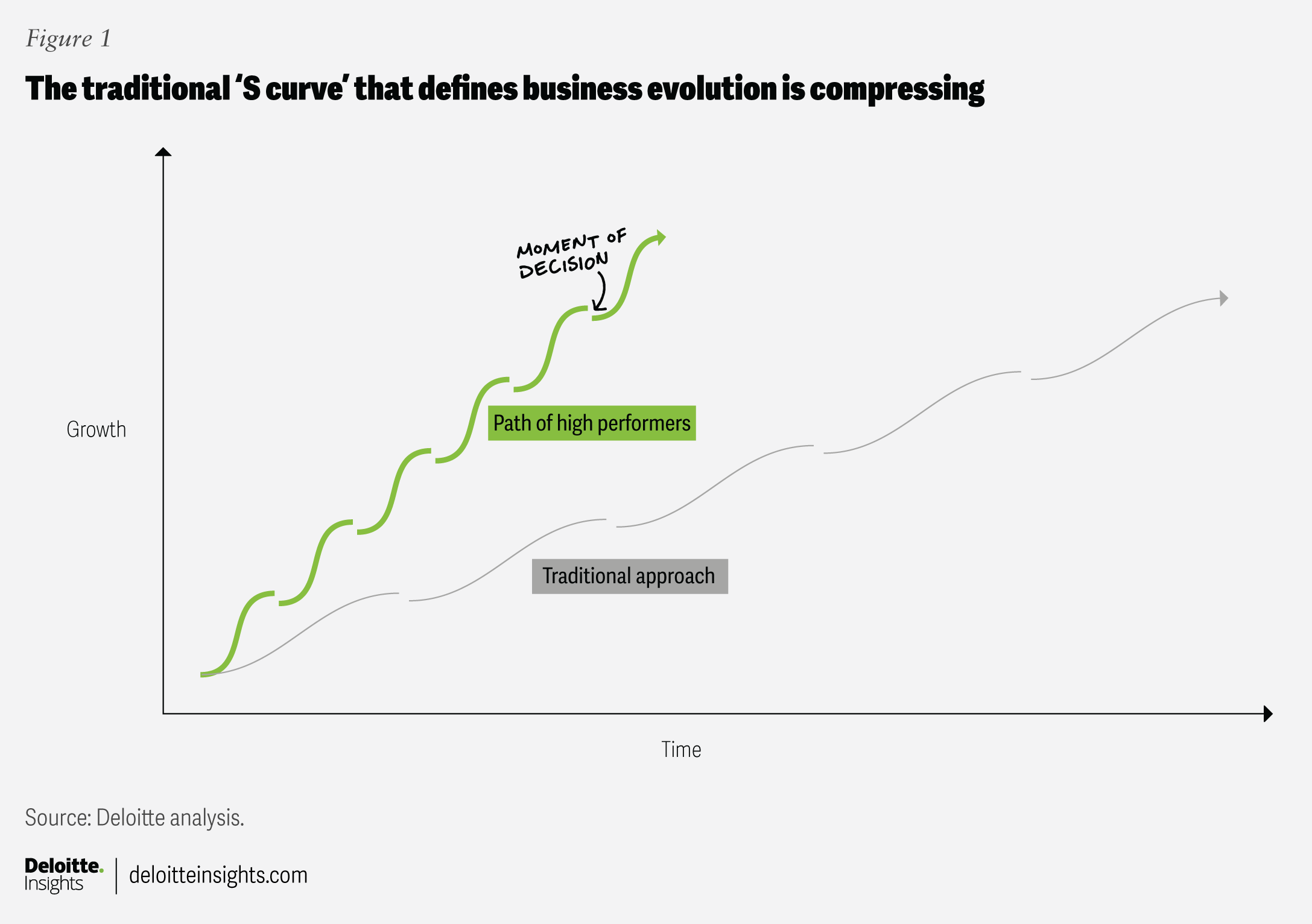
A practical scoreboard for a scaling startup may look like this: LayerExampleReview CadenceStrategic ChoiceGrow through market penetration in the U.S. mid-marketQuarterlyKPIMonthly repeating profits, churn rate, gross marginWeeklyOKRIncrease MRR from $80K to $120K by end of Q2MonthlyThe scoreboard works only if the ideal people evaluate it on the best schedule. Weekly KPI reviews catch issues early.
Global Vs Nearshore: Analyzing the Optimal 2026 StrategyQuarterly strategy examines ask whether the initial tactical choice still fits the market truth. Every KPI and OKR requires a named owner, not a group or department. Markets shift.
Offshore Vs Nearshore: Analyzing the Optimal 2026 Strategy
If a metric does not drive a choice, eliminate it. Limitation your active OKRs to three per quarter. More than three signals that you have actually not made the difficult prioritization options that a genuine development method requires. A distinct development method is the single crucial structural choice an early-stage service can make, since it determines which resources get deployed, which markets get prioritized, and which metrics really matter.
Use the Ansoff Matrix to sequence riskBegin with market penetration to stabilize system economics before pursuing higher-risk techniques. Layer objectives across KPIs and OKRsKPIs monitor company health; OKRs drive time-bound modification. Both layers must line up. Test presumptions before budgetingWrite the connection between client value and development lever, then stress test it with scenario planning.
I have dealt with numerous creators throughout bootcamps and retreats, and the pattern corresponds: most business owners can describe their growth ambitions in vibrant information, but extremely few can articulate the worth reasoning behind them. They know they wish to double profits. They can not always explain why a consumer would pay more, stay longer, or refer a good friend as the business scales.

Latest Posts

Talent Management Trends to Watch for 2026

Strategic Expansion Tactics for Multinational Scale

Global Labor Law Updates: Key Changes